
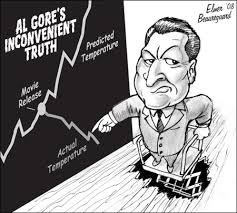
 No global warming for 18 years and 3 months. The catastrophic global warming crowd knows this to be true. They have been working very hard at coming up with an explanation for the pause. In fact there are at least 52 (some say up to 70) published competing theories trying to understand why the temperature is not rising even though atmospheric carbon dioxide (CO2) continues to rise. The chart below, Figure 1, from a WattsUpWithThat posting by Christopher Monckton of Brenchley illustrates the flat global temperature:

Figure 1. The least-squares linear-regression trend on the RSS satellite monthly global mean surface temperature anomaly dataset shows no global warming for 18 years 3 months since October 1996
Monckton says:
The Great Pause is a growing embarrassment to those who had told us with “substantial confidence” that the science was settled and the debate over. Nature had other ideas.
Read the full paper by clicking here.
cbdakota

 Climate Change Sanity